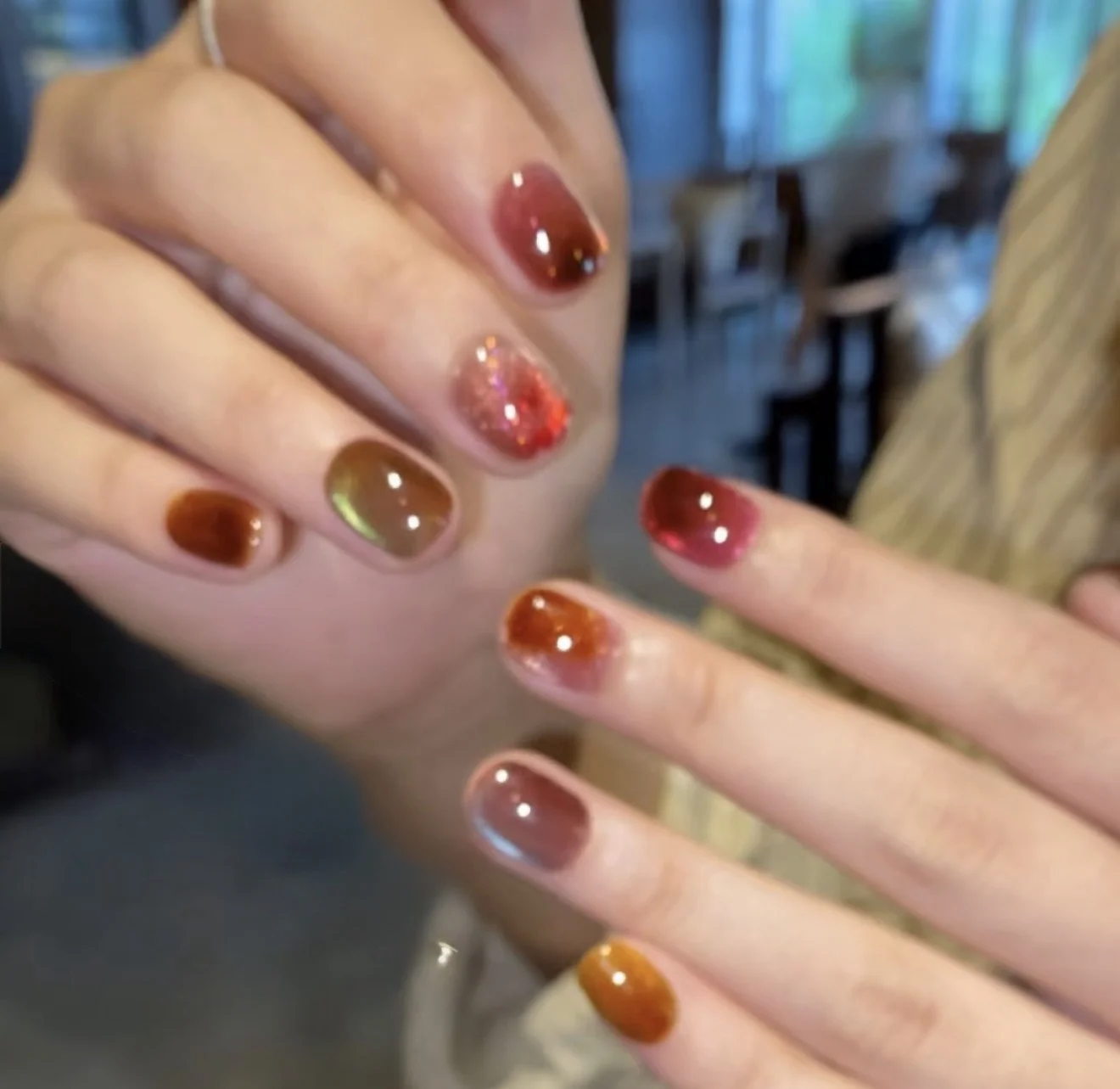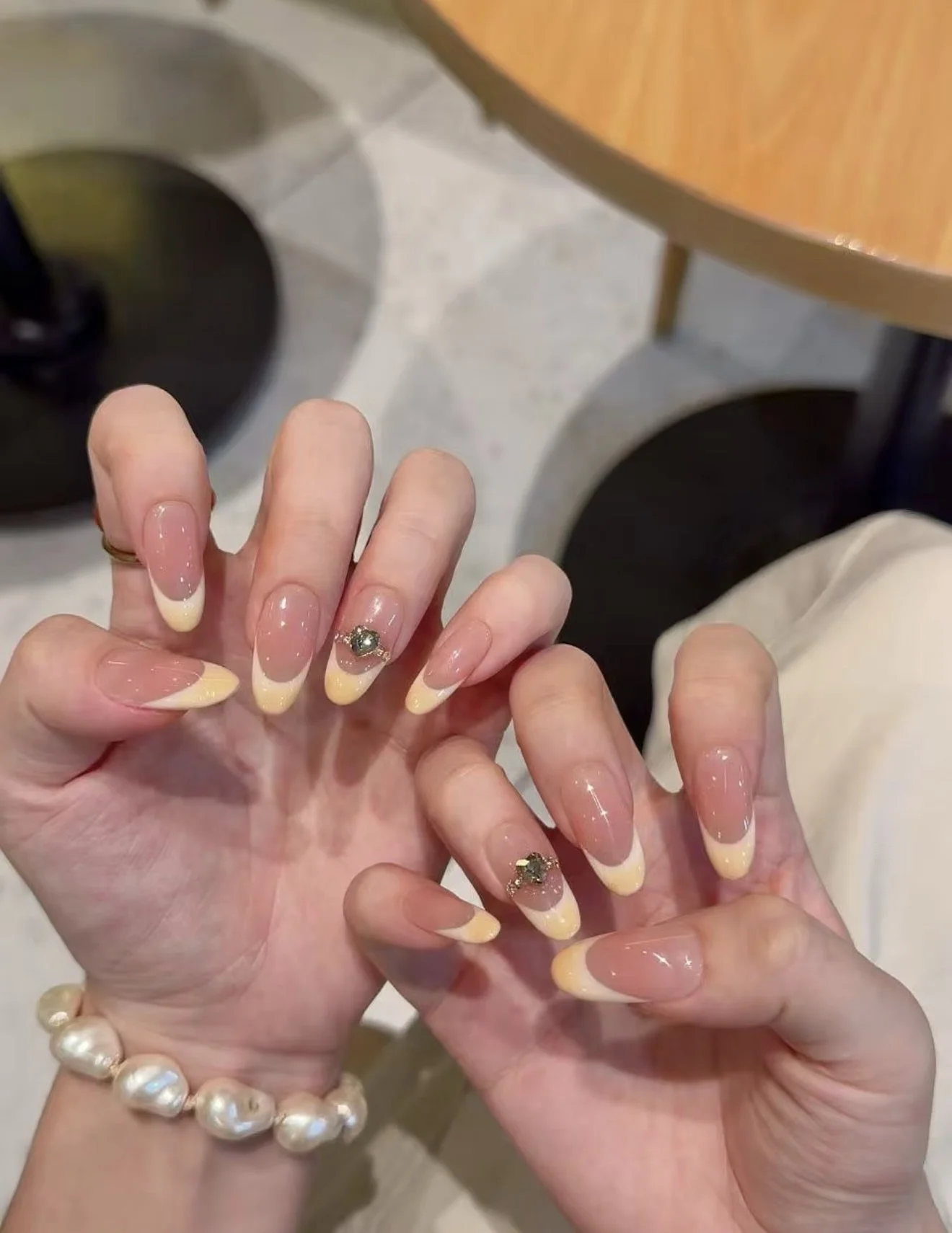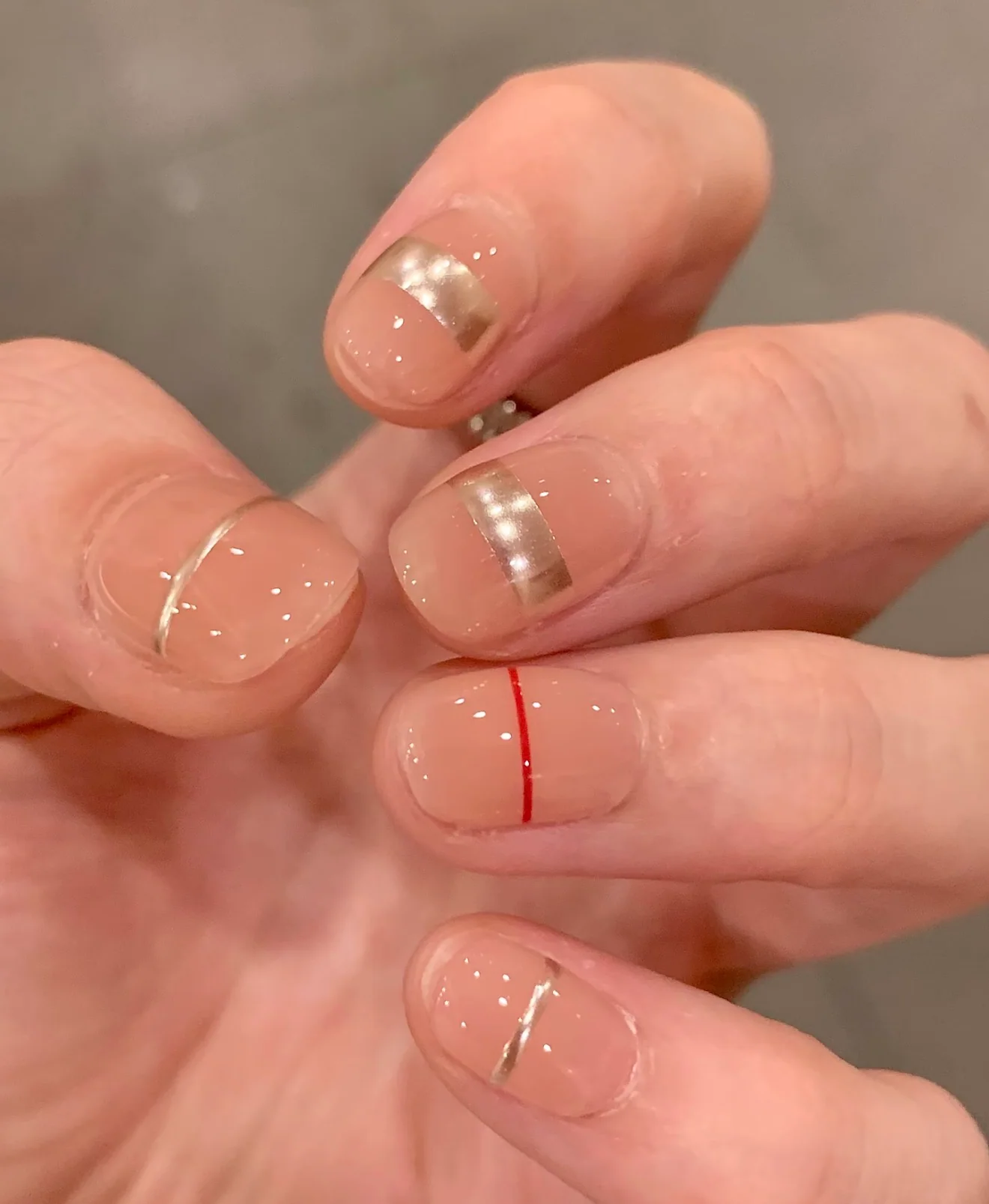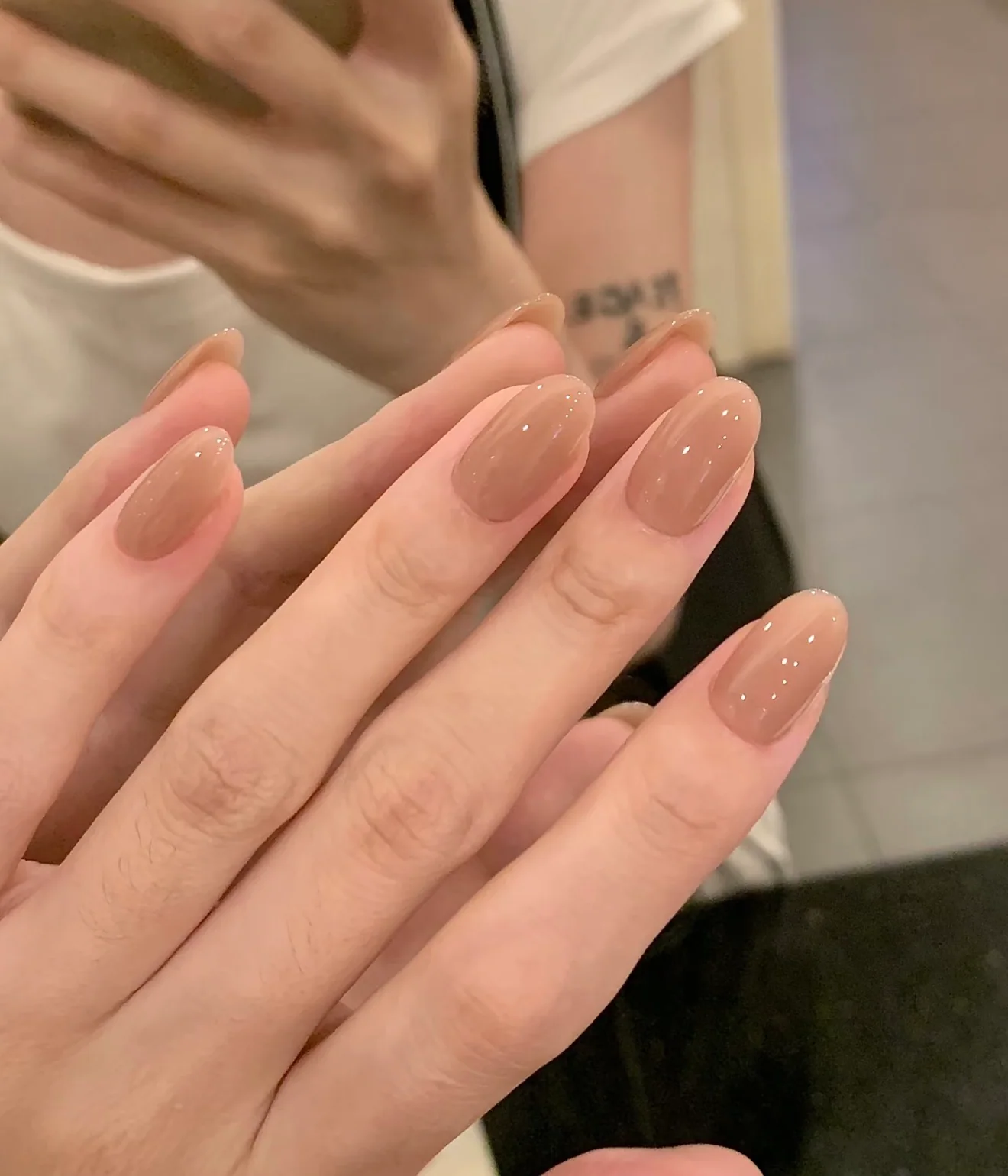
Yes — with a 10 to 15 minute soak in warm water and a gentle lift, you can remove press-on nails without peeling up layers of your natural nail. The damage people blame on press-ons almost always comes from ripping them off dry, not from the adhesive itself. This guide walks through the safe removal method for nail glue and adhesive tabs, plus the aftercare that keeps your natural nails smooth between sets.
Key takeaways
- Soaking press-on nails in warm, soapy water for 10 to 15 minutes dissolves most of the adhesive bond, so the nails lift off with almost no force.
- Never rip or peel press-on nails off dry — that pulls up the top layer of the natural nail plate and is the main cause of post-removal roughness.
- Nail glue residue can be buffed away with a soft buffer and a drop of cuticle oil once the press-on is lifted; no harsh scraping is needed.
- WHATNAIL sets are handmade, reusable press-on nails made to order in sizes XS–L, so careful removal is what protects your investment across wears.
- Between sets, keep natural nails trimmed, moisturised and rested for a day or two before reapplying.
The golden rule: soak, never rip
Almost every story about press-on nails "ruining" natural nails ends the same way: someone got impatient and peeled the set off at the end of a night out. A press-on is bonded to the top layer of your nail plate, and dry force separates the two along with that top layer. Once you commit to soaking first, removal becomes the gentlest part of the whole process — most sets release with a light wiggle and leave the natural nail intact underneath.
Removing nail-glue press-ons: the soak method
Nail glue creates the strongest bond, so it needs the most patient removal. Plan for about 20 minutes, put on a podcast, and let the water do the work.
What you need
- A bowl of warm (not hot) water with a squirt of hand soap or a drop of cuticle oil
- A soft wooden cuticle stick
- A fine-grit buffer or soft file
- Cuticle oil and hand cream
Step by step
- Soak 10 to 15 minutes. Submerge your fingertips fully. The warm soapy water works its way under the press-on edges and loosens the glue's grip.
- Test the edges. After soaking, press gently on the sides of one nail. If it lifts or wiggles, the bond is ready. If it feels solid, soak another 5 minutes — do not force it.
- Lift from the sides, not the tip. Slide the wooden stick under a loose edge and work it gently side to side. The nail should release with steady, light pressure.
- Buff off residue. Run the soft buffer over any remaining glue on the natural nail in one direction, lightly. A drop of cuticle oil on the buffer helps it slide without friction heat.
- Wash and moisturise. Rinse, pat dry, then massage cuticle oil into each nail and finish with hand cream.
Removing adhesive-tab press-ons
Tabs are the gentle option by design. Warm water still helps, but many people can remove tab-applied sets after a shorter soak — or even peel them slowly after a shower, when warmth and moisture have softened the adhesive. Push gently from one side rather than yanking from the free edge, and any sticky residue rolls off with warm water and a little oil. This is the easiest method to master for frequent style changes — try it with a versatile sheer like Amber Jelly, which looks different every time you wear it.
Acetone or no acetone?
You can remove nail glue without acetone. The warm-water soak above is slower but keeps the skin and nail plate from the drying effect of solvents. If a set refuses to budge after 20 minutes of soaking, a cotton pad soaked in acetone-based remover, wrapped around the nail with foil for 10 minutes, will soften the remaining bond — then go back to the wooden stick, not a metal tool. Reserve this as a backup, not the default, and moisturise well afterwards. For most WHATNAIL sets applied at home, the soak alone is enough.
Cleaning glue residue off the nail plate
A thin film of glue left behind is normal and harmless. Work it off with the soft buffer in short, light strokes — the goal is to smooth the residue away, not to thin the nail. If the buffer seems to do nothing, add a drop of cuticle oil and try again after a minute; oil breaks the bond between glue and nail surprisingly well. Stop if the nail looks clean. Chasing an invisible last layer of residue with heavier filing is how over-filing happens.
Aftercare before your next set
Your natural nails have just had a break from product — give them a day before reapplying. Keep them trimmed short and filed smooth, push cuticles back gently with the wooden stick, and oil the nail plate morning and night. If a nail feels rough where a press-on was peeled prematurely, leave that nail bare a little longer; a thin-feeling surface is usually just the top layer needing time to grow out, not permanent harm. This rest window is also the perfect time to pick your next look — a classic French like Crème French or the fine-line detailing of Fine Line both sit beautifully on freshly rested nails.
Reusing your handmade set
WHATNAIL sets are handmade press-on nails built to be worn more than once, so treat removal as the first step of reapplication. Once the nails are off, clean the underside of each press-on with a dab of remover on a cotton pad to clear old glue or tab residue, let them dry fully, and store them in their original box in order. Every set is made to order in sizes XS–L, and because each one is produced for you specifically, there are no returns, exchanges or refunds — careful removal and storage is simply how you get the most wears out of the set. With glue, most people get several comfortable wears from one handmade set; with adhesive tabs, even more, since tab removal leaves almost no residue on the press-on itself.
When to let a professional handle it
Handle removal at home for standard wear, but step back if a nail is painful, if the natural nail underneath has cracked, or if you see discolouration you did not have before. Those are signs to leave the remaining nails in place and visit a nail technician — a trained eye is worth the appointment. For everything else, the soak-and-lift method above keeps the process gentle and your natural nails ready for the next set, whether that is the everyday polish of Cashmere Glass or something bolder.